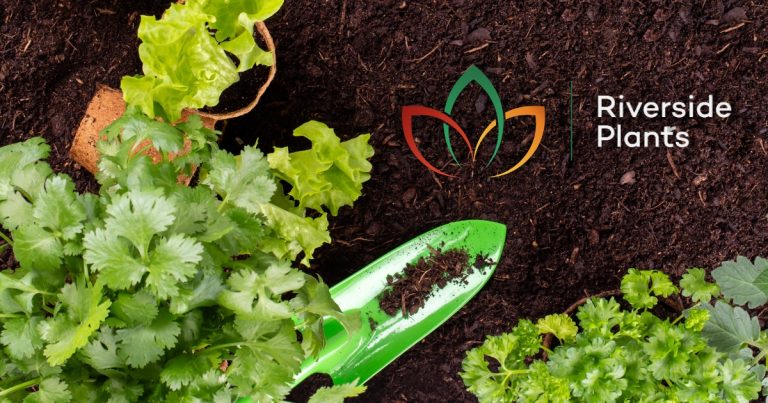
As autumn winds down and winter approaches, gardeners often think that their outdoor work is done for the year. But November is actually the perfect month to focus on composting and eco-friendly practices that will keep your garden healthy and productive into the colder months. By maintaining compost piles and thinking sustainably, you can reduce waste, enrich your soil, and prepare for a thriving spring garden.
Why Composting Matters in November
Composting is not just for spring and summer. Even as growth slows, November provides an opportunity to:
- Reduce household waste: Kitchen scraps and fallen leaves can be turned into nutrient-rich compost rather than going to landfill.
- Prepare soil for winter: Adding compost to garden beds helps protect soil structure and provides nutrients for spring planting.
- Support wildlife: Well-managed compost can attract beneficial insects while reducing the need for chemical fertilisers.
- Promote sustainability: By recycling organic material, you’re contributing to a healthier environment.
Outdoor Composting Tips for November
Even in colder weather, outdoor composting is still possible with a few simple adjustments:
1. Layer Materials
Balance “greens” (kitchen scraps, grass clippings) with “browns” (fallen leaves, shredded paper, cardboard). Layering ensures proper airflow and prevents odours.
2. Protect from Excess Moisture
Autumn rain can make compost soggy, which slows decomposition. Cover piles with a tarp or use a compost bin with a lid to prevent waterlogging.
3. Turn the Pile Carefully
Turning your compost helps aerate it and speeds up decomposition. In November, you may need to turn it less frequently if the pile is cooler.
4. Add Bulky Browns
Leaves, twigs, and straw are especially useful in November. They help absorb excess moisture and add carbon, which is essential for a balanced compost.
Indoor Composting Options
If outdoor composting isn’t feasible, there are several indoor solutions that work well during November:
- Countertop bins: Small containers for vegetable peels, coffee grounds, and eggshells. Ensure they’re emptied regularly to avoid odours.
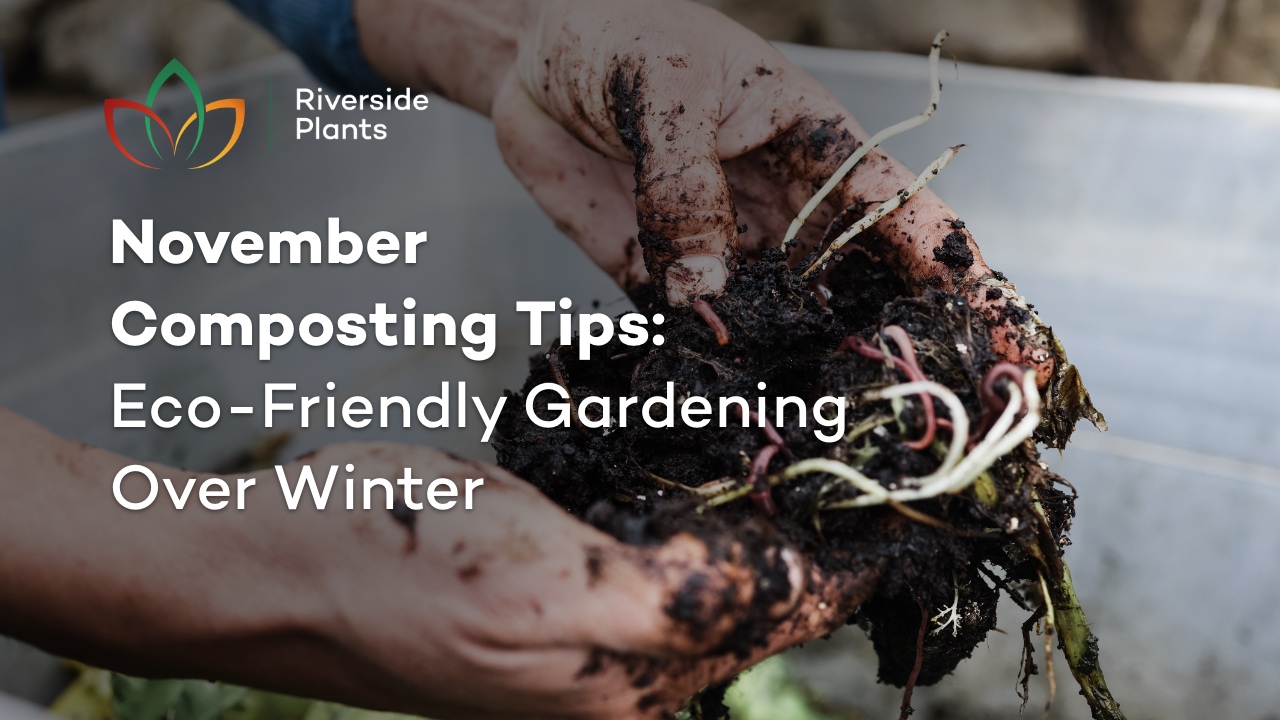
- Worm bins (vermicomposting): Ideal for apartments or homes without gardens. Red worms break down organic waste quickly.
- Bokashi systems: Ferment kitchen waste in a sealed container; once processed, it can be added to soil or outdoor compost.
Tips for Using Compost in Winter
Even if your compost isn’t fully decomposed by November, it can still benefit your garden:
- Mulch for garden beds: Spread unfinished compost around shrubs and perennials to insulate roots.
- Soil enrichment: Mix partially decomposed compost into beds to improve drainage and structure.
- Container plants: Add a small layer to pots to keep soil nutrient-rich through winter.
Eco-Friendly Gardening Beyond Compost
November is also a great month to adopt additional sustainable gardening practices:
- Collect rainwater for watering indoor or outdoor plants.
- Leave seed heads and berries for birds and pollinators.
- Avoid chemical fertilisers and use natural alternatives where possible.
- Plan next year’s planting with native and wildlife-friendly species.
Final Thoughts
Composting in November is a simple, eco-friendly way to prepare your garden for winter while reducing waste and promoting sustainability. Whether you use an outdoor pile, a worm bin, or a Bokashi system, these practices ensure your soil remains healthy and fertile for spring.
At Riverside Plants, we offer advice, composting products, and sustainable gardening solutions to help your winter gardening thrive. Start composting today, and reap the rewards when the new growing season begins.